










































Introducing Integrated Mobile Teams to Burundi
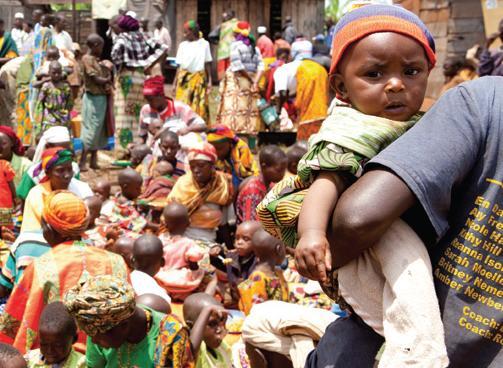
This document describes the progress of Pathfinder International’s programme of integrated mobile teams (IMTs), a mobile platform for the delivery of an integrated package of essential health services in Burundi that seek to ensure health care access for hard-to-reach and underserved populations.
The strategy was developed in response to the need populations in transition have for prevention and treatment of malaria, nutrition, safe water, immunisations, and sanitation services, as well as Pathfinder’s traditional family planning (FP) and sexual and gender-based violence (SGBV) services.
Several communication-related strategies have been included to improve the design and implementation of the IMTs:
- coordination with the Ministry of Health (MOH) to design the intervention;
- training by Pathfinder Burundi of all MOH staff in IMT service delivery as well as mentoring for MOH supervisors to build their capacity for quality assurance; and
- teams made up of a mixture of healthcare professionals (MOH doctors, nurses, and midwives) and trained grassroots health promoters (community health workers (CHWs) and technicians, as well as community nutrition volunteers active in Mamans Lumieres (Lightning Mothers).
Other communication strategies intend to increase participation in the IMTs, thereby increasing access to diversified health care services:
- "Chefs de colline" or local, elected administrators host special activities to announce the availability of IMT services, and community members donate foodstuffs for use in IMT nutritional activities;
- CHWs provide information on location and time of outreach services and serve as permanent local links to the nearest static health facility following the conclusion of outreach events; and
- appearances from various government officers during IMT events have served to elevate the profile of IMT efforts.
To improve the effectiveness of the IMT events, remote locations are chosen. MOH health technicians greet and orient clients at the point of entry so they can head directly to the services they need most. The grassroots group Mamans Lumieres, a group of community mothers who employ the Positive Deviance/Hearth approach to improved nutrition with locally available foods and healthful community norms and behaviours, conduct cooking demonstrations for clients and provide nutritional rehabilitation services for acutely malnourished children. The Lightning Mothers also follow up with children and parents after the event is over.
Events end with a facilitated group discussion about SGVB in which IMT staff provides information about local SGBV-related laws and victim’s rights. Clients found to experience SGBV are directed to the on-site psychosocial and clinical services.
The report concludes that current data suggests that this is an "effective and much needed means of reaching the country’s size-able and disproportionately under-served populations in transition." Further efforts will look at team performance, supervision, and future scale-up of an evidence-based model in both Burundi and the Democratic Republic of Congo.
Pathfinder website, May 31 2012.
- Log in to post comments