











































Human Rights Network for Journalists (HRNJ)
Established in 2005, the Human Rights Network for Journalists (HRNJ) in Uganda brings together human rights journalists from both print and electronic media, as well as freelance investigative reporters. HRNJ works to enhance the promotion, protection, and respect of human rights through defending and building capacities of journalists to effectively exercise their constitutional rights and fundamental freedoms for collective campaigning through the media.
HRNJ-Uganda believes that by working together, human rights journalists will be able to impact greatly on the status of human rights within Uganda. As a membership organisation, it emphasises that activities and interactions must be conducted in a manner that ensures transparency and accountability to its stakeholders. The organisation has put in place strategies to ensure that female, veteran, and disabled journalists are given a chance to participate fully and benefit in the network. HRNJ-Uganda members are fully committed to gender equity and equality.
The organisation's mission to defend journalists whilst promoting human rights, is achieved through activities designed to:
- promote and protect human rights as provided for in the regional and international instruments that Uganda is party to and as provided in the constitution of Uganda through the media;
- mobilise, unite, and represent human rights journalists on matters of common interest;
- work together as human rights journalists seeking to achieve goals of empowering the public in creating a platform to demand for a non-violent, corruption free, and human rights observing society;
- work together with judicial organs, civil society organisations, regional, and international organs to bring peace and harmony; and
- build the professional capacity of human rights journalists through training, research, reporting, and technical skills acquisition.
HRNJ-Uganda achieves its objectives through the following activities:
- Advocacy and Networking - HRNJ undertakes advocacy campaigns to influence legal and policy issues pertinent to the oversight role enjoyed by the media in Uganda. This includes legal, media, and legislative advocacy at national, regional, and international levels.
- Documentation and Research - This entails undertaking research and documenting human right violations, as well as monitoring and reporting to treaty and regional bodies on the country's performance in regard to the international human rights instruments.
- Institutional Development - This area of focus is designed to strengthening the operational and policy context with the purpose of strengthening its systems, structures, and programmes. Institutional capacity building is designed to also enable the organisation to explore numerous funding opportunities available from development partners for the protection, promotion, and upholding of human rights in Uganda.
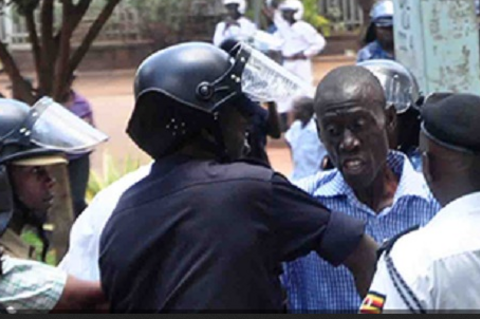
- Legal Defence and Support Program - Free legal service is offered to journalists and some members of society who are at risk as a result of expressing themselves on issues that concern them. The organisation will undertake different forms of legal defence through internal and external legal teams mainly to save journalists from harassment, unlawful arrest and detention, intimidation, use of detective charges against them and persecution among others.
Capacity Building and Outreach - The programme is designed to enhance the capacity of staff and members to undertake various interventions in defence of human rights.
The Human Rights Network for Journalists (HRNJ) website houses stories, testimonials, podcasts and other sources of information related to human rights in Uganda.
Human Rights
According to HRNJ, the organisation has been able to deal with issues affecting the profession responsively and effectively i.e. representing journalists summoned to court, rescue of journalists held incommunicado, and challenging government actions that threaten and undermine freedom of the press, information, and expression among others. A network of lawyers has been put in place to support journalists. This has improved the situation of journalists, the image of the network, and has attracted membership to build a strong and coherent body that responds and is sensitive to the needs of journalist.
The Open Society Initiative, Freedom House, Media Legal Defence Initiative( MLDI), and International Freedom of Expression Exchange(IFEX)
Human Rights Network for Journalists (HRNJ) website on January 8 2013.
- Log in to post comments