










































Health Crises and Media Discourses in Sub-Saharan Africa
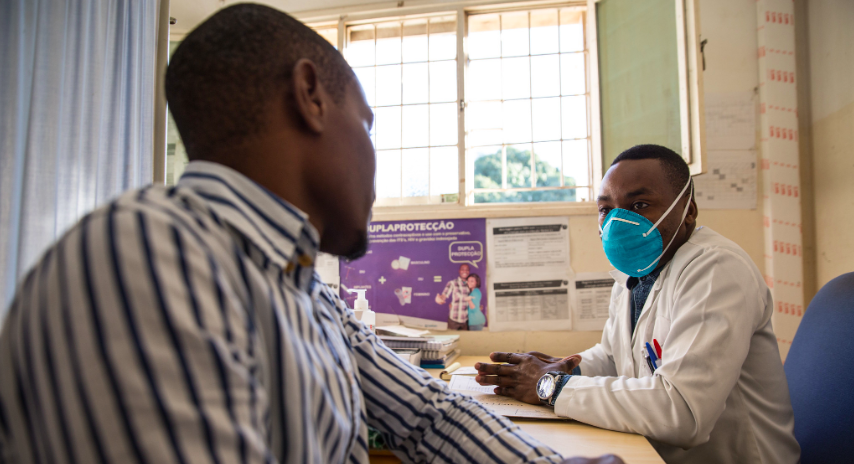
"Long before the COVID-19 health crisis, sub-Saharan Africa has and still endures the brunt of many global health crises such as the deadly Ebola virus, HIV/AIDS, cholera and malaria, which have claimed millions of lives."
This open-access book brings together scholars and critical discourses on political, economic, legal, technological, socio-cultural, and systemic changes and continuities intersecting media and health crises in Sub-Saharan Africa. The volume discusses COVID-19 but also covers other health issues affecting the African subcontinent, such as malaria, HIV/AIDS, and mental health. The sixteen articles featured in this publication seek to fill knowledge gaps, highlight innovations, and unpack the complexities surrounding the media ecosystem in times of health crises. They explore, among other issues: the politics of public health communication; infodemics; existential threats to media viability; draconian legislation; threats to journalists/journalism; COVID-19-related entrepreneurship, and marginalisation.
The volume is intended as a resource for media and public health audiences, including policymakers, managers, practitioners, associations and lobby groups, marketers, researchers, academics, and students - and not just those in sub-Saharan Africa. The book offers a different perspective from the Global South, as the editors believe that while "media discourse around health crises including COVID-19 in sub-Saharan African countries may share a global homogeneity, particular features, struggles, histories and challenges are specific to the sub-continent." The original intention of the publication was to only look at the impact and implications of the COVID-19 crises on sub-Saharan media ecologies; however, it was decided to broaden the scope beyond the COVID-19 health crisis and embrace "older" health crises like HIV/AIDS and Ebola, as well as the more "silent" crises like mental health, as these are still issues affecting the continent, alongside the impacts of COVID-19.
The volume seeks to offer a diversity of methodologies, empirical insights, and theoretical analyses on media discourses around health crises. The chapters cover three interrelating themes: (i) shifts and disruptions in digital and the political economy of the media; (ii) journalism practices, audiences, and news discourses; and (iii) regulation, representation, and marginalisation discourses. These themes divide the book and the articles into three parts:
Part 1: Digital and Political Economy of the Media - looks at the shifts and disruptions in the digital and political economy of the media, building on the existential conundrum surrounding media viability that has afflicted the global media industry over the last few decades. The articles here explore the impact, especially of COVID-19, on the media, while unpacking the complexities, intersections, and dynamics surrounding technological, political, and economic developments and trends. Contents include:
- The Sustainability and Economic Impact of the COVID-19 Pandemic on Media Houses in Uganda and Ethiopia - Gerald Walulya and Mulatu Alemayehu Moges
- Political Economy of COVID-19 and the Implication on Media Management and Sustainability in Nigeria - Toyosi Olugbenga Samson Owolabi and Nkiruka Favour Opene-Nwantah
- The Impact of COVID-19 on the Digitalization of the Namibian Media - William Heuva
- Media Viability, Covid-19 and the 'Darwinian' Experience in Southern Africa: Glimpses from Botswana, Eswatini, Lesotho, Malawi, Namibia, South Africa, Zambia and Zimbabwe - Carol Azungi Dralega
Part 2: Journalism Practice, Audiences and News Discourses - looks at media discourses on journalism practice, audience narratives, and news discourses. The contributors offer critical insights on a broad range of theories and debates, including the political economy of the media, constructive journalism, the Fourth Estate, securitisation, and journalist safety. In so doing, the authors seek to offer a deeper understanding of the changes and continuities surrounding discourses on news frames, trends, actors, and agendas in the context of health crises. In addition, they discuss the important role for public health communication and the notion of "information as a public good", especially during health crises such as COVID-19. Contents include:
- Critical Journalism and Media Convergence During the COVID-19 Pandemic: Representation of Corruption in Zimbabwean Online News - Wishes Tendayi Mututwa and Akpojivi Ufuoma
- Constructive Journalism and COVID-19 Safe Nation Narratives in The Herald Newspaper: Implications for Journalism Ethics in Zimbabwe - Thulani Tshabangu and Abiodun Salawu
- Endangered Voices: Nigerian Journalists' Safety amid the COVID-19 Pandemic - Moyosore Omowonuola Alade and Bernice Oluwalanu Sanusi
- Framing Poverty in Nigerian Online Media Reports on the Inaugural Neglected Tropical Diseases Day - Omotayo Modupeola Omitola
- Face-to Face with COVID-19: Experiences of Ghanaian Frontline Journalists Infected with the Virus - Kodwo Jonas Anson Boateng and Redeemer Buatsi
- A Comparative Discourse Analysis of African Newspaper Reports on Global Epidemics: A Case Study of Ebola and Coronavirus - Sisanda Nkoala
- Citizen Journalism and Health Communication in Pandemics' Prevention and Control- Gregory Obinna Ugbo, Chinonye Faith Chinedu-Okeke, and Jude Nwakpoke Ogbodo
- 'This Is a Punishment to America': Framing the COVID-19 Pandemic in Zimbabwe's Mainstream Media - Allen Munoriyarwa and Albert Chibuwe
Part 3: Regulation, Representation and Marginalisation - looks at media discourses around regulation, representation, and marginalisation in the context of health crises. For instance, it explores how several governments under the guise of "national safety" continue to impinge on human rights and freedom of expression for both producers and consumers. This occurs through loopholes in existing regulation but also because of non-existent policy like on social media and citizen journalism and affordances of impunity. Marginalisation is another theme taken up in this section, particularly regarding representation of various marginalised groups within the media systems (and society), especially during health crises such as HIV/AIDS, Ebola, and COVID-19. Contents include:
- Cybercrimes Law and Citizen Journalism Clampdown During the Covid-19 Pandemic in Tanzania - Eva Solomon
- Framing the AIDS Discourse: A Critic of Journalistic Source Norms in Uganda's HIV and AIDS Print News - Angella Napakol
- 'Weapons of Oppressors': COVID-19 Regulatory Framework and its Impact on Journalism Practices in Southern Africa - Tshuma Lungile Augustine, Trust Matsilele, and Mbongeni Jonny Msimanga
- Media Discourses on Gender in the Time of COVID-19 Pandemic in Zimbabwe - Bhekizulu Bethaphi Tshuma, Lungile Augustine Tshuma, and Nonhlanhla Ndlovu
288
SpringerLink website on August 5 2022. Image credit: Ricardo Franco/CDC via Flickr (CC BY 2.0)
- Log in to post comments