











































Grassroots Female Communicators Association (GRAFCA)
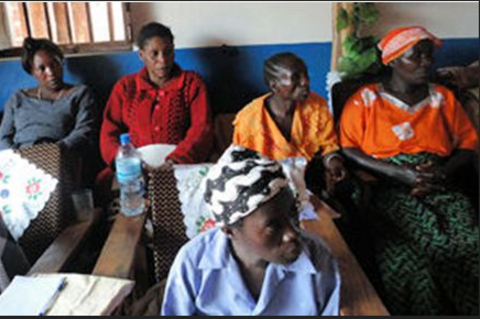
Launched in July 2011, the Grassroots Female Communicators Association (GRAFCA) works to build the capacity of village leaders in the Songea Rural District, Tanzania, to challenge discrimination and lead an anti-stigma campaign surrounding HIV/AIDS infection and treatment through educational and empowering workshops held in and around rural areas. GRAFCA is a non-profit organisation created by female journalists and communicators interested in and committed to the development of rural communities, and is supported by the World Association for Christian Communication (WACC).
The project is based on the idea that community communication can play a central role in creating awareness and understanding of HIV and AIDS in rural areas. According to GRAFCA, statistics show that efforts and resources have been expended in Tanzania to raise awareness and prevent early deaths of people infected with the virus. The decline in infection rates in urban and middle class communities due to interventions by development agents and mass media has however not been replicated in rural areas. The Association was formed to build the capacity of village leaders, including administrative, religious, women's groups, and youth leaders, to challenge stigma.
One of the first activities of the association was a workshop in rural Tanzania, which provided an opportunity to map a communication strategy to address HIV and AIDS related stigma at the grassroots level. As a project sustainability strategy, two task forces were formed and are conducting meetings at the grassroots. GRAFCA also publishes "Parapanda", a newspaper intended to enlighten authorities on issues affecting poor rural populations.
HIV/AIDS
According to GRAFCA, the HIV and AIDS pandemic is a serious threat to Tanzania’s social and economic development. Concerns noted at the planning workshop included the tendency to blame women as sources of HIV/AIDS in families.
WACC Global website on May 5 2012.
- Log in to post comments