










































Fear causes media to self-censor on sexual minorities in Africa
Author: Owen Nyaka, December 1 2014 - What is it about lesbians, gays, bisexuals, transgender and intersex people that ties broadcasters’ tongues and melts journalists’ minds in articulating stories on these neglected communities? An obvious answer to this is the four-letter word: fear.
Fears grip many journalists in Africa when it comes to the issue of covering these communities. The fear of being labeled, the fear of being disowned and fear of the unknown. As a result, the media is failing in its duty to provide accurate and balanced information to the public it serves.
Radio, television and newspapers constitute some of the most influential sources of information for people in the region and could play a crucial role, both in the representation of sexual minorities and in the improvement of their position in society. This is not only important from a human rights perspective, but also from a public health point of view. Lesbian, gay, bisexual, transgender and intersex people (LGBTI) are more at risk of HIV infection, while discrimination and stigma make it more difficult for them to access prevention and treatment services. Positive media coverage can help break down these barriers.
Hostile environment
Laws that criminalise homosexuality in deeply conservative countries create a hostile environment in which the media has to operate. The Nigerian anti-gay law, which was signed by President Goodluck Jonathan, is one of the draconian anti-gay statutes. Gambia passed a bill imposing life sentences for ‘aggravated homosexuality’ while Malawi has suspended anti-gay laws until the 193-member parliament can decide on the contentious issue.
Gift Trapence, executive director for Centre for the Development of People (CEDEP), a Malawian organisation which represents minority groups, argues that the media needs more awareness on issues affecting sexual minorities. He says most of the media outlets in the region are controlled by governments, which makes it more difficult for them to give space for lesbian, gay, bisexual, transgender and intersex issues.
"Such media houses have also been used for propaganda against LGBTI issues. The other challenge is that some editors do not support publication of LGBTI articles because of personal attitudes. Some pro-LGBTI journalists are labelled with all sorts of names and that discourages others from taking an interest in the issue," Trapence says.
Attitudes in Malawi
In the Malawi context, Trapence says the media often misrepresents LGBTI issues and reporting is sometimes biased. The media has not helped improve the overwhelmingly negative public opinion on sexual minorities or promoted tolerance.
"We have seen more space being given to negative views on homosexuality and at the end that has perpetuated discrimination and intolerance," he says.
The media also face challenges with its choice of language when talking about the gay community and that has not sent out the right meaning, especially in sensitive issues. "Wrong use of language shapes or perpetuates misconceptions about LGBTI issues and thereby shapes public opinion in a biased way," says Trapence.
Diversity compromised
Freedom of Expression Institute executive director Phenyo Butale says the media should play an activist role in educating the masses. He argues that the challenge lies in convincing editors to be receptive to stories about LGBTI issues, as they have the final say on reporters’ work.
"My concern is that media freedom in the Southern African Development Community is under threat," says Butale. "Minority groups are a major current issue but, in terms of voices in our mainstream media, there is still a lot to be done in order to accommodate voices of marginalised groups. Diversity is becoming compromised."
Anthony Manion, executive director of Gay and Lesbian Archives of South Africa (GALA) says journalists are often discouraged from reporting on the issues that affect lesbian, gay, bisexual, transgender and intersex people, or are pressured to focus on negative or sensationalistic stories.
"They don’t receive enough support from media owners and editors. This problem is made worse by the limited information that is available to journalists on LGBTI issues in their countries and a lack of certainty about who can be contacted to provide accurate information," says Manion. He adds that media training programmes are also at fault for not providing journalists with the tools they need to provide effective reporting around sexuality and gender diversity.
Positive role
However Manion believes the media does have the power to play a positive role when it comes to social justice for LGBTI people in the region. He says there have been meaningful changes in the way the media covers sexual minority issues: the community is more visible today than at any point in the past and this is an encouraging development.
The next steps are to increase the accuracy of the reporting, reduce harmful stereotypes and ensure that a wider range of experiences and issues relating to LGBTI people receive coverage in the media. The tabloids remain South Africa’s biggest selling newspapers and have an abysmal record in this area.
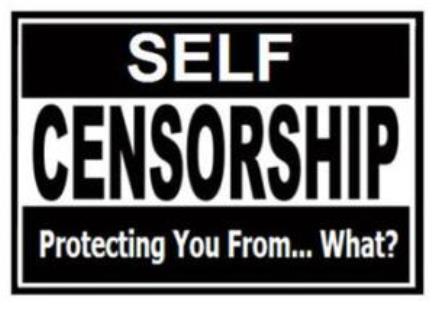
The biggest question perhaps could be what is the point of having media freedom when the media censors itself, inhibited by a fear of the unknown?
Click here to access this blog, originally posted on Key Correspondents website.
Image credit: Conditionally Accepted website
- Log in to post comments