










































Empowering Young Sex Workers for Safer Sex
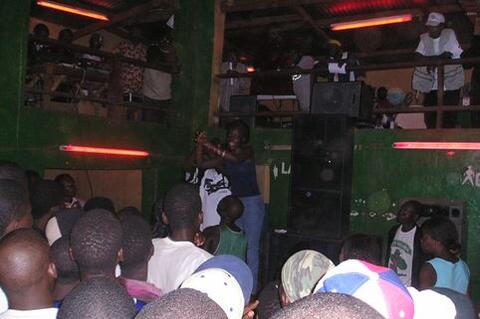
The intervention was implemented in Dowa and Lilongwe districts in Malawi. Sensitisation seminars were held with sex workers where information on HIV was shared through presentations, group discussions, and testimonies. Out of the sex workers that participated in the seminars, volunteer peer educators were identified. These peer educators participated in a 6-day training workshop where they were taught issues of: HIV transmission and prevention; negotiation skills for safer sex, use of male and female condoms; rights and how to fight sex abuse, violence, and exploitation; and options for income generation. Sex workers action groups were formed so that they could be used as contact points for the intervention.
A workshop for Disc Jockeys (DJs), proprietors of entertainment places, and representatives of sex workers was held to orient them on the initiative and seek their support. During the intervention, DJs inter-spaced their entertainment sessions with messages and other activities that related to sexual and reproductive health. Entertainment spots were used as a venue to distribute condoms, for peer educators to get in touch with other sex workers, and Disc Jockeys to promote condom use and safe sex messages in between songs.
During the project, there were weekly condom and safer sex promotional events in which condoms were distributed for free, special quiz sessions on HIV were held with patrons, and awards were given to those providing the best answers. The awards included calendars, t/shirts, ball bens, and packs of condoms. The intervention also established 16 dispensing sites of condoms for easy access by sex workers. These sites were in bathroom in entertainment places. Condoms were also distributed through peer educators in both residential areas and the places of entertainment. Voluntary counselling and testing and STI services were offered through Youth Life Centres and at places of entertainment.
A sex worker Safer Sex Kit was produced and printed. This contained guidance to safer sex: negotiation skills and what to do if abused. It also contained instructions on how to correctly use both male and female condoms. The sex workers formed a women football club, Chigwirizano Night Queens, and participated in a women’s football league in the capital city.
HIV/AIDS, Reproductive Health
According to an article written by in the Malawi Medical Journal, “Empowering Young Sex Workers for Safer Sex in Dowa and Lilongwe Districts of Malawi,”the number of sex workers who were initially sensitised on the intervention was lower than planned as they feared arrest. This is a legitimate fear since sex work is illegal. This intervention was however approved by the Ministry of Health through UNFPA’s 5th country programme of support to Malawi.
The article also mentions that the reach of the campaign was as follows. Sensitisation workshops were carried out and 85 sex workers were reached. There was an orientation workshop for 9 Disc Jockeys, 10 proprietors of entertainment places, and 6 representatives of sex workers. Twenty five peer educators were recruited and trained. During the intervention, 3000 flyers and 200 posters containing safer sex negotiation points were produced and distributed. Nineteen safer sex and condom promotion sessions in 19 entertainment places (bars, disco) were conducted and reached an estimated 47,000 people. Of these, 1,800 were sex workers. Through Youth Life Centres and outreach clinics, 241 sex workers were offered Voluntary Counselling and Testing (VCT) services and 104 sex workers were offered STI services. 416,038 male condoms were distributed and 60, 644 female condoms were distributed.
For more information, contact:
United Nations Population Fund (UNFPA)
Lilongwe, Malawi
fundira@unfpa.org
Family Planning Association of Malawi (FPAM), United Nations Population Fund (UNFPA)
- Log in to post comments