










































Emergency Risk Communication: Lessons Learned from a Rapid Review of Recent Gray Literature on Ebola, Zika, and Yellow Fever
Consultant to the World Health Organization (WHO) from December 2016 to October 2017 (Toppenberg-Pejcic); Consultant to WHO from 2015 to 2017 (Noyes); Bangor University (Noyes); WHO (Allen, Alexander, Vanderford, Gamhewage)
"...going local plays a central role in effective emergency communication, from engaging with and building on local leadership and organizational structures, to using local staff, communication patterns, networks and languages, to tailoring interventions for local communities."
In December 2016, the World Health Organization (WHO) commissioned a rapid review of recent gray literature evidence (2015-2016) to provide underpinning for the development of their Communicating Risk in Public Health Emergencies (see Related Summaries, below). This was intended to provide additional knowledge about building national-level capacity to integrate effective risk communication practices and structures into healthcare and response systems for public health emergencies.
A total of 83 documents met inclusion criteria, 68 of which are cited in this report. This article focuses on the 3 questions, out of 12 posed by WHO as part of the guideline development process, dealing most directly with communicating risk during health emergencies: community engagement, trust building, and social media.
The researchers note that one of the most important steps toward building trust is community engagement, and greater trust fosters community engagement; so, they present findings for these two questions together. In general, gray literature findings related to these questions fall into two categories: things that encourage trust and community engagement and things that hinder them. With regard to the former, strategies include:
- Begin well: Connection with community entities should be established and relationships of trust developed before a crisis, so that these networks of allies may be activated should an emergency occur. At the beginning of a response, assessment should include listening to complaints and taking into account the customs and cultures of all involved groups. An essential first step is to discuss the situation with community leaders and members and to identify the most appropriate communication channels to use and any barriers or potential problems, as well as potential solutions.
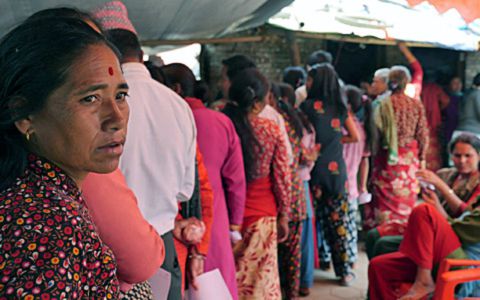
- Go local: The literature found that communities responded best when as much as possible was done locally - involving local people, respecting local culture, language and circumstances, and listening to local concerns and opinions - all this on an ongoing basis. Local media should also be used.
- Involve local leaders and groups: Involving local leadership was listed by 31 documents as an important step toward community engagement. Programmes were found to have greatest effect when led by local leaders in both Ebola response efforts and in polio eradication programmes. Turning to local people as mobilisers and engaging local groups were also seen as important, with 15 documents each mentioning this as helping gain access to communities and to successful uptake of behaviour changes. The group of people listed most as important to involve were religious leaders, followed by traditional leaders, other local authorities or leaders, and women or women's groups. A study cited here by Bastide et al. sheds light on why certain types of interventions build trust. Local populations come with ready-made complicity and recognition trust. They share both experiences and a common set of life skills, norms, and values.
- Tailor interventions: The second most frequently mentioned method for improving community engagement was tailoring, discussed by 26 documents. Tailoring interventions for gender, language, local cultural nuances, and circumstances improves communities' engagement and uptake. Ideally, communities should assess the situation themselves and craft their own messages, with regular monitoring and feedback to allow for further adjustments. A number of sources noted that response efforts were most effective when they were owned and driven by local communities and local leadership.
- Facilitate continual two-way communication: According to the literature, once initial messages were disseminated, it was important to monitor their effectiveness and adjust them as necessary. One option for this was to use barrier analysis, comparing those who had adopted behaviour changes with those who had not, to help elucidate barriers to change, uncover perceived positive and negative consequences of behaviour changes, and fine-tune messages accordingly. Social mobilisers could be drawn on in this process. They could listen for misinformation and rumours. The process of listening to the community, taking their concerns seriously and adapting messages accordingly should continue throughout the emergency.
The gray literature identified several barriers to community engagement. For example, top-down communication, stereotyping, and paternalism broke down trust, created fear, and alienated communities. Examples from the Ebola experience are provided that illustrate how some types of apparently community-led activities may also pose barriers to successful community engagement.
As far as specific forms of engagement were concerned, radio was identified as a particularly effective means of accessing communities. However, what works best for one population may work poorly for another, as the discussion about social media shows. WhatsApp, RapidPro, and short messaging service (SMS) systems are among the platforms discussed. One innovative feature of social media use during the West African Ebola outbreak was the way it enabled the Sierra Leonean diaspora to play a role in in-country social mobilisation. Sierra Leoneans living abroad used Skype, Facebook, and WhatsApp, plus their in-country connections' smart-phone-enabled internet access to share information about the outbreak. Facebook discussion groups were also created and used. Later on, members of the diaspora who were in health professions used social media to mobilise their in-country family, professional, business, and political connections.
All that said, social media can be a source of rumours, it can isolate those in rural areas without access, and it has been found to suffer from a credibility issue. "When it comes to getting messages out, both conventional and social media should be used, rather than just one or the other."
"Finally, the gray literature indicates movement toward greater recognition emergency risk communication as a vitally important element of public health."
Health Communication, DOI: 10.1080/10410236.2017.1405488. Image credit: WHO/A. Bhatiasevi
- Log in to post comments