











































Elections Communication Guide
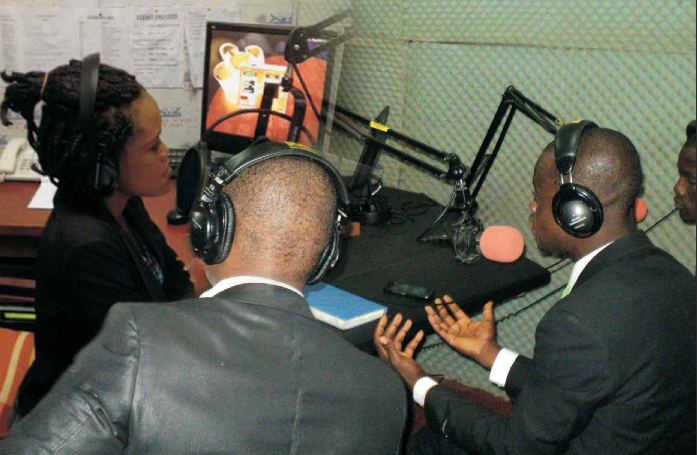
This document provides a guide to the principles of political campaign communication. It seeks to counter the practice by media institutions and party functionaries of using insulting and offensive language during elections, and to contribute towards a culture of civil political discourse and issues-driven elections campaigns.
The guide is based on the work and experiences of the Media Foundation for West Africa (MFWA) while monitoring campaign language on radio in Ghana. For example, a 2012 elections campaign language monitoring project reported a total of 509 indecent expressions recorded on 2,850 programmes from 31 radio stations across Ghana. Items coded as insulting/offensive comments dominated the range of content categories tallied.
The document has two goals:
- It serves the interest of disclosure - it seeks to bring transparency to the range and nature of expressions that are considered and coded as indecent under the MFWA campaign language monitoring project. Actors within the elections communication chain (parties/activists, media/journalists, public/electorate) thus get to know precisely what is being judged and how a verdict is reached.
- It serves the interest of advocacy - it seeks to promote a deliberative, issues-driven, political communication culture around elections in Ghana by: providing a guide on the need for, and ways of, avoiding insults and other indecent expressions in elections-related political communication, and by repudiating those who might indulge in such conduct.
The document is divided into 3 sections:
Section A - offers an introduction to the guide and looks at the interrelated roles of political party communicators, the members of the public, and more importantly, media owners and practitioners in promoting civil political discussions, in promoting issues-based campaigns, and ultimately, in ensuring the efficacy and sustainability of Ghana's democracy.
Section B - outlines the categories of indecent expression with illustrations and and examples. These include: insults, hate speech, prejudice and bigotry, inflammatory expressions, incitement, expletives, ethnic slurs and stereotyping, unsubstantiated allegations, gender specific insults, and divisive expressions.
Section C - provides recommendations on how each of the different groups of actors can contribute towards minimising the incidence of indecent language and institutionalising and promoting the culture of decent, issues-driven campaigns.
English
33
MFWA website on August 8 2016.
- Log in to post comments