










































Couples as Champions for Gender Equality
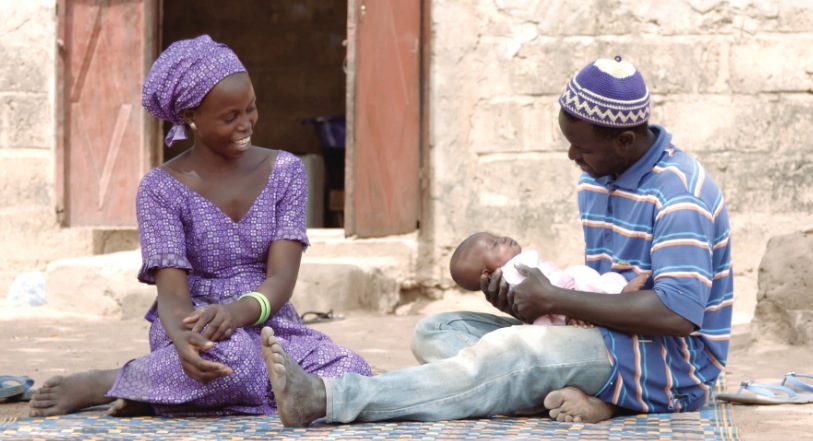
“Our Gender Champion Approach was greatly appreciated by communities in Senegal, and showed how small actions by one individual can influence the actions of others within a group, holding the potential to influence further individuals, and eventually affect the entire community.“
This brief describes the Gender Champion Approach to social and behavioural change communications that Strengthening Partnerships, Results and Innovations in Nutrition Globally (SPRING) piloted in Senegal in an effort to improve nutrition outcomes in communities. As explained in the brief, “[T]he Gender Champion Approach identifies men who are already well known in their communities for performing desired gender-equitable practices and equips them with the knowledge and tools to become advocates for gender equality. As they take on this role, the champion couples become recognized as leaders and begin to influence others to follow their example, ultimately improving nutrition outcomes in their communities.” The brief looks at how champion couples are selected, trained, and supported, and offers recommendations based on lessons learned. It suggests that the approach can be used to impact not only nutrition but many types of programmes.
The brief explains how SPRING selected couples that were respected in their communities in spite of the fact that the men broke with local traditions by engaging in household nutrition and hygiene-related tasks. SPRING also supported and encouraged women’s participation in household financial and nutrition-related decision-making. The couples were trained to serve as role models, helping to break down barriers to non-traditional male-female partnerships and encouraging other households to use the same practices. The training addressed gender-related topics such as women’s workload and decision making, and programmatic topics such as maternal and child nutrition.
The brief describes how the approach recognises the importance of social connections; takes advantage of existing relationships and peer influence; and encourages flexibility and innovation for effective advocacy and sustainable outcomes.
A number of recommendations are offered throughout the brief related to training, the activities and interactions of champion couples within the community, and the way forward. These include:
- conducting community visits before contacting a potential gender champion. Speaking with community members before confirming the selection helps ensure that the suggested individual or couple was indeed carrying out the desired tasks and generally respected by their neighbours.
- scaling up interventions by increasing the number of trained champions available in the target area, particularly if the implementation period is limited.
- providing materials or tools to champions to further encourage them and inform their activities.
- leveraging capacity of local community-based and nongovernmental organisations and farmer/producer networks to promote a gender champion strategy and conduct follow-up visits and refresher trainings.
SPRING website on January 23 2018.
- Log in to post comments