











































Citizen Journalism Guidelines on Electoral Reporting in Zimbabwe
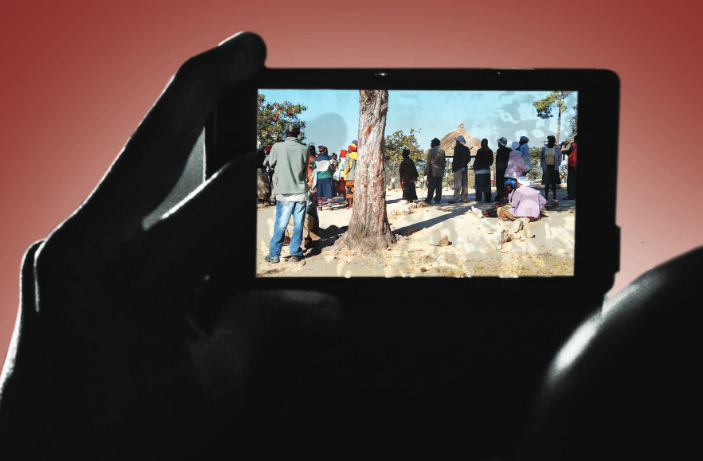
"[C]itizen journalists' use of alternative media platforms plays an important role in providing information to citizens located in marginalised communities with limited access to mainstream media throughout the electoral cycle."
Citizen journalism is concerned with the mobilisation of ordinary (i.e., untrained) citizens in order for them to play an active role in their community and the media they are consuming. A key idea is that diverse citizen can use the tools of modern technology and the global distribution of the internet to create, augment, or fact-check media on their own or in collaboration with others. Thus, this manual is designed to familiarise citizen journalists with the core issues of election reporting, including ethics, gender and the media, safety and security, fake news, hate speech, and the broader issues around the electoral system in Zimbabwe. It could be helpful for citizen journalists interested in live-streaming and mobile reporting in an African context.
The resource emerged from an initiative developed by International Media Support (IMS) and the Media Alliance of Zimbabwe (MAZ) called "Support to Media on Governance and Electoral Matters in Zimbabwe", which was carried out between October 2017 and March 2019 with support from the European Union (EU) and the Norwegian Ministry of Foreign Affairs. The programme aimed at enhancing the capacities of media, broadly defined, to report on electoral cycle and governance matters in a more articulate, comprehensive, and inclusive manner, as well as to increase citizen access to media and information platforms throughout the electoral cycle and after. This is premised on the observation that people living in rural and peri-urban communities, particularly women and youth, are likely to benefit more from the work of citizen journalists that facilitate citizen information sharing and debates on alternative media platforms within those communities.
The manual offers tips to citizen journalists on how to write an election story for diverse platforms that include short messaging service (SMS - texting), social media, radio, newspapers, and newsletters, among others. It also focuses on how to gather, share, upload, and live-stream various pieces of information, such as text, audio, videos, and photos. Finally, it takes readers through the 7 steps of citizen journalism.
Contents include:
- Introduction and Background
- What is Citizen Journalism?
- Citizen Journalism in Practice
- Ethics
- Special Concerns
- Moderation of Social Media Groups
- Safety Concerns
57
IMS website, December 13 2019. Image caption/credit: A citizen journalist covering the voting process at a by-election in rural Gutu, Zimbabwe. IMS
- Log in to post comments