











































Beyond Repair: Involving Communities in Fistula Prevention and Reintegration—Experience from Kissidougou, Guinea
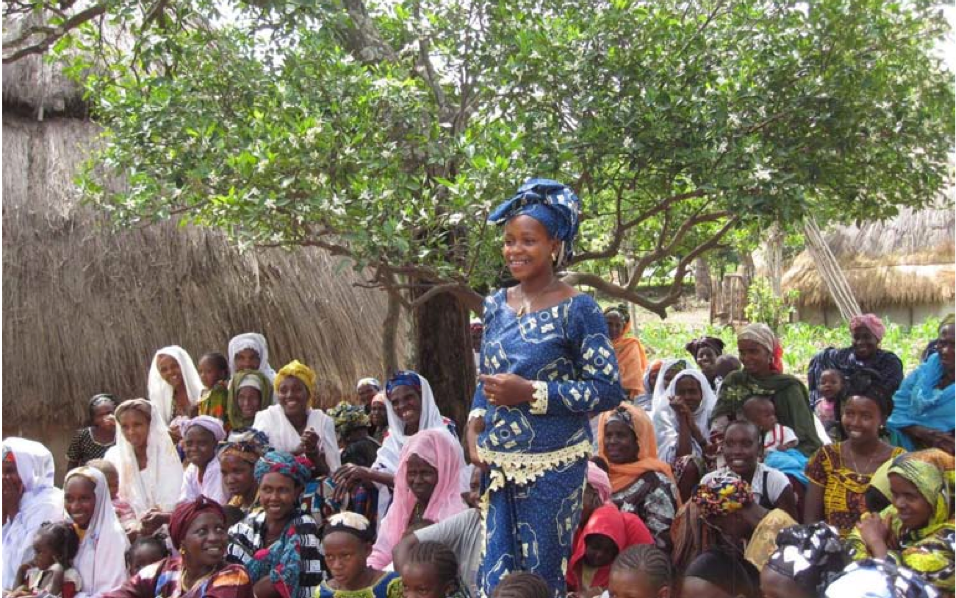
This 8-page project brief highlights the strategies and lessons learned by EngenderHealth to engage in fistula care activities in the Kissidougou province of Guinea. The programme was funded by U.S. Agency for International Development (USAID) through the ACQUIRE Project and most recently through Fistula Care. From the beginning, the Kissidougou project established three programme services: surgical repair, fistula prevention, and reintegration of fistula patients into their communities.
The brief explains that since the programme began in 2005, Kissidougou District Hospital has implemented a holistic approach that goes beyond fistula repair and that builds upon USAID’s efforts to strengthen democratic processes and institutions and to help national and local governments become more efficient and accountable. The District Hospital and EngenderHealth have worked closely with the Urban Development Commune (UDC) of Kissidougou, a district governmental body consisting of the mayor and his council, to improve community and local government involvement in fistula prevention, treatment, and reintegration and to increase support for fistula services. The UDC, in collaboration with the Ministry of Health, the National Division of Decentralization (NDD), and the district health management team of Kissidougou, have been implementing four key interventions:
- the Market Town Approach, to increase the use of local government funds for fistula services;
- safe motherhood committees, to address fistula prevention and the referral of fistula patients for treatment;
- a waiting home, to provide short-term convalescence for women after repair surgery and a place where women can begin to reintegrate into society; and
- social immersion with host families to support reintegration of fistula patients.
The safe motherhood committees are a key part of awareness raising. With supplies, training, and organisational support from Fistula Care, the UDC created volunteer safe motherhood committees in villages surrounding Kissidougou. The programme gives volunteers flipcharts, data collection tools, sacks, t-shirts, hats, raincoats (for visits made during the rainy season), megaphones, and flashlights (during harvesting periods, when people are busy during the day, volunteers must do their work at night). Committee members visit family compounds, checking in with pregnant women, and participate in social events such as weddings and baptisms to deliver health talks. During these activities, volunteers discuss fistula and its causes. They encourage women to receive antenatal care and to deliver at a health facility.
Using local radio announcements supported by community networks, the UDC has raised community awareness about the patients’ needs and mobilised families to host women during their convalescence. Host families provide a supportive, caring environment as fistula repair patients recuperate. For many women, the host families facilitate the transition between the waiting home and their return to their village. When a fistula patient is placed with a family, representatives of the UDC and the local radio station visit the family. The station often interviews families about their experiences of hosting women.
According to the brief, three promising strategies have contributed to the success of the Kissidougou programme and can be applied to other settings:
- Promotion of community awareness and participation to foster buy-in for good maternal health practices and to encourage families to host fistula patients. Strategies include:
- appealing to people’s religious obligations and concerns for human rights;
- using mass media, particularly local radio, which is often highly valued by rural communities;
- attaching prestige and public praise to participation;
- promoting interdependence within the community (the contribution of each adds to collectivity); and
- delegating responsibility at all levels of the programme.
- Development of a plan to garner resources. Strategies include:
- reinforcing decentralisation;
- reminding the community that help will not come from somewhere else;
- tapping into local resources; and
- promoting ownership and transparency.
- Demonstration of responsible use of resources. Strategies include:
- investing in visible activities that benefit the community at large;
- holding open meetings to discuss revenue;
- planning how to use money and disseminating financial decisions widely, through local radio and posted information in public places;
- paying salaries for critical positions.
The organisers say that this programmatic example, with its emphasis on community engagement and organisational partnerships, is a promising model for sustainable fistula treatment and prevention programmes.
Fistula Care website on April 7 2011.
- Log in to post comments