










































BBC Media Action Microsite: Gender
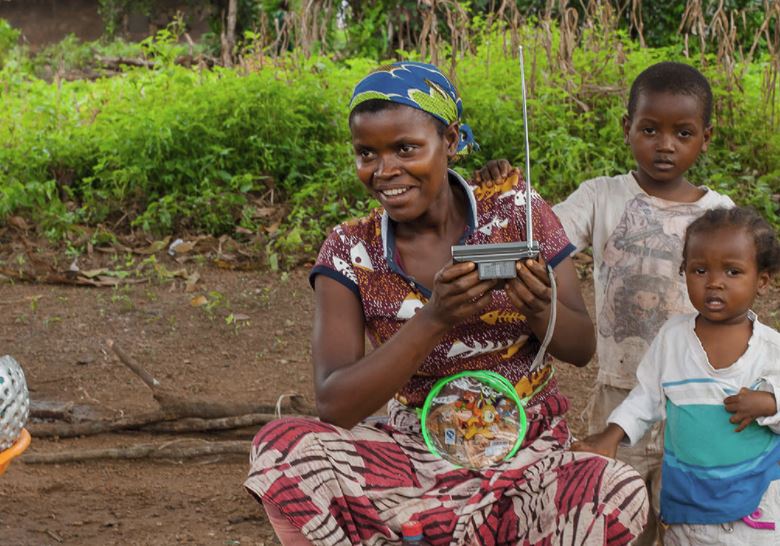
This BBC Media Action interactive digital toolkit has been created on a dedicated micro website "to help those working in media and communication for development to challenge negative gender stereotypes and advance gender equality."
The microsite is designed to help development and media practitioners use media to champion gender equality. It shares advice on designing and delivering gender sensitive and transformative projects. "It includes sections on how media can influence discriminatory gender norms, how to carry out a gender analysis when designing a project" and examples of how BBC Media Action has challenged gender stereotypes in their factual, drama, and social media content.
The site contains the sections: "What is gender?", What difference can media make?", "Designing a project" and "Making a programme". The section on difference, for example, asks what makes a project gender blind, gender sensitive, or gender transformative. In quiz format, it proposes scenarios and asks questions, than provides answers. For example:
"You’re running a project to inform young people about how to vote in the upcoming elections. You’re thinking of only distributing the content through Facebook, as over half of young people have accounts with the site.
Q: How do you ensure your project is gender sensitive?"
[Answer] You research how young men and women consume information in the country you’re working in. You look into which media platforms they prefer and what complexity of content they can understand. You would find out what issues matter to both women and men."
or, for another example:
"You find out that 75% of Facebook users are male. Your research also shows that young women regularly listen to the radio, are not as literate and are less likely to understand the electronic voter registration process than their male peers.
Q: What changes do you make in light of your findings?
[Answer] To reach more women and better address the challenges they face, you decide to add a radio component to your project, including a show about electronic registration. You also shorten your Facebook posts to make them more accessible to people who struggle to read."
The site includes downable workshop exercises, tools for gender analysis, steps in project design, key questions for review of projects, and a review checklist. The project section includes links to case studies like Open Jirga in Afghanistan, and two discussion programmes, Aswat Min Filasteen and Hur El Kalam in Palestine, as well as dramas with distinctive female characters like India's AdhaFULL, Bangladesh's Ujan Ganger Naiya, and South Sudan's Life in Lulu. A discussion of shaping media content is included, as well as a downloadable "Power Walk Excerise".
Email from John Sutcliffe to The Communication Initiative on December 6 2017.
- Log in to post comments