











































Barriers to Family Planning Use in Malawi: Opportunities for Social and Behaviour Change Communication
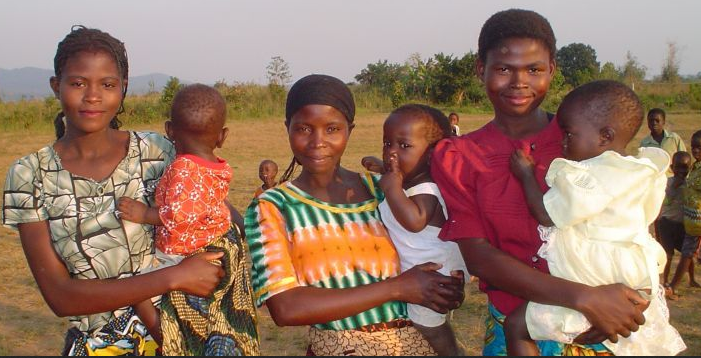
This 36-page report shares the findings of a study to generate evidence to inform the development of effective social and behaviour change communication (SBCC) strategies and interventions to improve sexual and reproductive health (SRH) and the uptake of modern family planning (FP) methods in Malawi. Commissioned by the C-Change (Communication for Change) project, the research focused on the sociocultural context in which FP decisions and fertility behaviours take place in Malawi. The study findings highlight that while progress in FP knowledge and use has been made in study communities, there are several opportunities for SBCC interventions and other FP programmes to improve FP acceptance and use.
According to the report, the use of modern family planning (FP) methods is lower in sub-Saharan Africa than in any other region in the world. Malawi is considered a late adopter of FP and in spite of recent progress in the use of modern FP methods, Malawi's total fertility rate (TFR) remains high. The study was conducted in five districts in Malawi: Lilongwe, Mzimba, Dedza, Machinga, and Thyolo. Urban populations were sampled in Lilongwe and rural populations were sampled in all five districts. The study employed both qualitative and quantitative methods allowing for triangulation of findings across the four main data sources.
The key findings in the study were the following:
- Marriage: Most focus group discussion (FGD) participants stated that marriage is the norm for adults in Malawi. The most common reason for getting married reported by both women and men was that marriage allows sexual desires to be satisfied in an acceptable way. Other common responses included the need to help with household chores, fulfill expectations after reaching a certain age, and for love and companionship. The most common role discussed by both women and men was that of performing household chores such as washing clothes, cooking food, and drawing water from the well. About half of the FGDs also mentioned that a wife is expected to be faithful to her husband and have sex with him whenever he wants.
- Fertility Desires and Decision Making: Most of the FGDs reported that the ideal number of children that men and women want ranges from three to five. Although mostly a joint decision by the couple, pressure to have more children often comes from the husband and his relatives driven by social and cultural traditions such as: Fear of losing children to illness, desire to increase family income as a large family is a wealthy family, fear of losing husband to other women, etc. Almost all of the FGDs cited the desire to provide quality care for their children and economic difficulties as the primary reasons for having fewer children.
- Perceptions that are Barriers to FP Use: FGDs highlighted several perceptions of men and women that are barriers to FP use. Common perceptions and misconceptions among both women and men included perceived decrease in sex drive as a result of FP use. Male FGDs reported that side effects are experienced by a man who has sex with a woman on a modern FP method, including faster ejaculation, frequent urination, and backache. Female FGDs reported side effects from injections, contraceptive pills, and implants and some felt they had fallen ill much more often since starting FP. Some women reported that they used modern methods but discontinued their use because of perceived side effects. Moreover, many women who had been interested in FP use and heard about side effects became frightened and lost interest.
- Perceptions that Facilitate FP Use: Female FGDs referred to FP as enabling women and children to grow strong. Many stated that there is a perception that using FP for child spacing allows their bodies to take a break and regain strength before the next birth. Women who use FP look healthy and good and can also more easily engage in development work and small businesses and have the time and resources to meet the needs of their families. FGDs indicated that some men were positive about FP methods and felt that women using them were healthier and better able to contribute to the family's well-being.
- Posters: Over 90% of health providers reported that the content of posters available are suitable for men and women of different ages. However, 37% of the health providers felt the posters were not culturally sensitive. Most health providers rated the posters as excellent in terms of content and ease of use and good in terms of their relevance and languages used. In addition, 32% of the health workers believed posters were the most effective communication materials available.
- Access to FP Services and Availability of FP Methods in Health Facilities: FGD participants reported that they could access FP services mainly from government health facilities, BLM clinics, and private clinics, some attached to farming estates. Moreover, mobile clinics staffed by personnel sent out by a nearby health facility distributed FP methods in their areas. When asked to name FP methods they were aware of, the most common method discussed in all FGDs was injections, followed by condoms, implants, and pills. FP methods reported to be in short supply such as Depo-Provera (injectable), the pill, implants, and male condoms may reflect high demand.
- Quality of FP Services: This study assessed the quality of FP services from the perspective of FGD participants and using information obtained from health providers and the health facility inventories. Limited operating hours affected FP access for some FGD participants, who referred to FP services being available only once a week. According to FGDs, days and times for mobile clinics were not frequently or clearly communicated. The health facility inventories collected information on whether FP examination and consultation rooms in the health facilities afforded privacy to clients. Separate examination rooms for FP clients were provided in the majority (26 of 30) of the health facilities.
The study findings highlight that while progress in FP knowledge and use has been made in study communities, several opportunities exist for SBCC interventions thus the following recommendations are made:
- Decision making around FP: Communication and social mobilisation efforts focusing on family members and community leaders should address cultural preferences for large families, encourage support to young couples to plan their families, and emphasise the benefits of FP use. Religious and traditional organisations can also be targeted to include FP discussions in their activities.
- Misconceptions and fears related to FP: Misconceptions and fears related to FP including perceived side effects of FP use still persist and limit the widespread use of modern FP methods. SBCC interventions should include focused campaigns, activities, and accurate messages to correct misconceptions and fears around FP use. Health providers must be adequately trained to provide information regarding potential side effects of FP methods and be able to counsel clients who experience side effects.
- FP services and products:Health facilities must ensure an adequate supply of FP methods at all health facilities to avoid frequent stock-outs. Health service providers should also establish outreach programmes, using community health workers to raise awareness about the FP services available and to disseminate FP methods and FP communication materials to more remote communities.
- FP communication materials:FGDs noted a number of ways to strengthen existing FP communication materials such as: ensuring that FP communication materials are culturally appropriate, targeting those who influence decisions around FP use, and ensuring that materials are accessible to clients with low literacy rates by incorporating more graphics and artwork. FGDs also noted the potential of videos as a means of disseminating FP messages. Further research is needed to examine the effectiveness of videos in delivering FP messages. The study highlighted much potential for more interactive forums to encourage dialogue and communication around the benefits of FP and address the socio-cultural barriers to FP use.
C-change website on June 23 2013.
Image credit: Banja la Mtsogolo (BLM).
- Log in to post comments