










































An Attack on One Is an Attack on All: Successful Initiatives to Protect Journalists and Combat Impunity
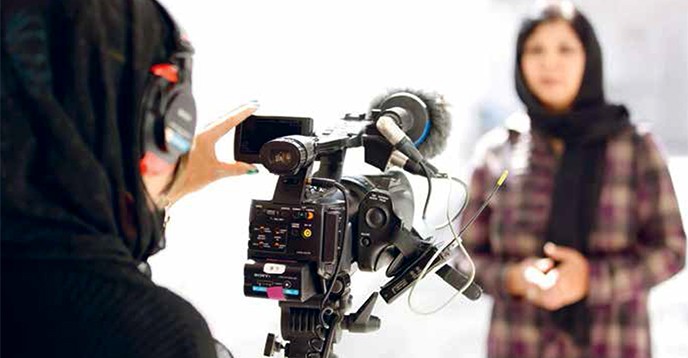
"Advocacy is needed for greater protection mechanisms, but also for something more basic: the value that independent media brings to society at large. Increased understanding of this role is needed."
Released on the occasion of a Multi-Stakeholder Consultation meeting on Strengthening the UN Plan of Action on the Safety of Journalists and the Issue of Impunity, this is a compilation of initiatives that successfully protect journalists and combat impunity, created by media companies, individual journalists, and civil society organisations who are proactively taking action to protect their own. Published by the International Programme for the Development of Communication (IPDC) at United Nations Educational, Scientific and Cultural Organization (UNESCO), the report is "a collection of stories, told in the words of the motivated people who are dedicated to protecting courageous journalists with pro-active measures to make them safer....It is written in the hope of inspiring others to support these efforts, perhaps duplicate them, and to raise awareness of the importance of this work."
According to Guy Berger, Director of UNESCO's Division for Freedom of Expression and Media Development, more than 120 journalists and other media workers were killed worldwide in 2016 in relation to their work, and more than 800 journalists have been killed in the past decade. Many more journalists undergo harassment, physical attacks, jail and censorship. The culture of impunity is intimidating many others into exile or silence. To deal with these circumstances, new alliances and cooperative efforts are emerging.
To that end, this resource recounts 22 good practices from around the world. Here are some of the themes and trends that emerge:
- There is a need for more coordination and cooperation for journalist safety. While a number of organisations and mechanisms are strengthening joint approaches, competition and a lack of solidarity among media still inhibits developing mechanisms that could allow them to work together for the common good.
- Freelance journalists and local media workers have been identified as being among the most vulnerable, and an increasing number of initiatives are focused on their safety needs. But such coverage is far from universal.
- The most vulnerable also include local journalists working for local media companies in dangerous areas. If safety training is available at all, it is in the form of occasional workshops by trainers brought in from elsewhere, funded by international civil society organisations.
- Trauma awareness and counseling is an emerging issue, with increasing resources devoted to dealing with the psychological and social costs of reporting in stressful and dangerous conditions. This has been a hidden burden and continues to be so in many places where the journalistic culture calls for stoicism in the face of reporting on horrors. The problem includes a digital component caused by online harassment and bullying, or simply viewing violent acts and disturbing imagery as part of the job.
- Awareness about the dangers facing female journalists is likewise growing, and gender-specific training is getting more attention. Sexual harassment on the job - much of it from colleagues - needs to be addressed.
- There is growing recognition of the benefits of programmes that address physical and digital safety and provide psycho-social support.
- Journalists themselves are becoming more proactive when it comes to safety. For example, when a journalist is murdered and the killing goes unpunished, reporters form their own investigative teams to look into it and pressure authorities to act.
- Safety is an expensive proposition; sustainable resourcing is needed.
- There is a need for more advocacy that convinces authorities and the general public that journalists work for them and keeping them safe is in everyone's interest.
83
UNESCO website, August 4 2017. Image caption/credit: Lars Schmidt (IMS photojournalism trainer). Courtesy of International Media Support
- Log in to post comments