










































African Labour Radio Project
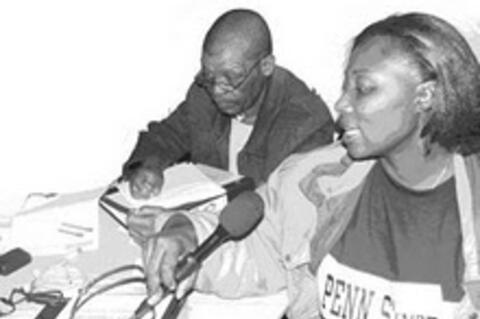
The weekly or fortnightly shows take two basic forms: country-based informative and educational programmes relevant to workers and the working class on selected commercial, public, and community radio stations at specific times, and an Africa-wide weekly 30-minute labour show broadcast via the appropriate radio channel/s and the internet.
In 2006, the network trained a group of 23 labour reporters based in the 10 participating countries. Pilot programmes were broadcast, and topics included the New Partnership for African Development (NEPAD), privatisation, the World Trade Organization (WTO), labour laws, child labour, the informal sector, social dialogue, trade unions and economic policy, trade union democracy, labour migration, and xenophobia.
In addition to creating programming, the project also builds radio broadcasting skills and labour media capacity for participating trade unions and countries, as well as skills in engaging with mainstream media. Through this, organisers hope to improve communication and partnerships between the African continent-wide labour movements and to encourage greater international labour solidarity at both leadership and grassroots levels.
Economic Development, Labour.
According to organisers, after heading the pilot broadcasts, SABC Channel Africa signed a memorandum of understanding for co-operating and supporting the project, including regular broadcasts on Channel Africa (30-minute pre-recorded fortnightly show).
Organisers say the project seeks to strengthen the response of the African labour movement and civil society to socio-economic and political challenges that confront it, through a media intervention in the form of participatory regional radio productions and broadcasts. It is based on the recognition that there are numerous organisational and other weaknesses that undermine the African labour movement's ability to meet the challenges of the day, not least of which is their media capacity.
Central Organisation of Trade Unions - Kenya, Congress of South African Trade Unions, Ghana Trade Union Congress, Lesotho Trade Union Congress, Malawi Congress of Trade Unions, Nigerian Labour Congress, National Organisation of Trade Unions - Uganda, Trade Union Congress of Tanzania, Zambia Congress of Trade Unions, Zimbabwe Congress of Trade Unions.
African Labour Radio Project blog on December 8 2008.
- Log in to post comments