










































Africa Freedom Day Includes Freedom of Expression
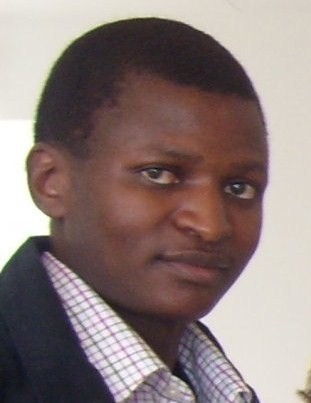
Author Vusumuzi Sifile, May 27 2015 - When Kwame Nkrumah and other African leaders met in Addis Ababa, Ethiopia in May 1963, they were driven by the dream of an African continent where people enjoyed freedoms that would enable them to drive the continent’s development. The meeting birthed the Organisation of African Unity (OAU), which became the African Union (AU) in 2002. It was the same dream of a liberated Africa that influenced Zambia’s first Republican President Dr. Kenneth Kaunda and his leadership at the time to support the fight for liberation in a number of Southern African countries.
Thousands of poor and marginalized citizens shared the same dream and sacrificed their families to fight for liberation from colonial rule and the various injustices it carried. Many lost their lives. Many lost their families. Many lost their livelihoods.
But 52 years after that historic Addis Ababa meeting, Africa is still struggling to attain full liberation from socio-legal and economic injustices.
Although significant steps have been taken to liberate the region’s people from the many injustices bedeviling them, many citizens are still deprived of basic freedoms. Inequalities, discrimination, social exclusion, human rights abuses and all manner of restrictions are still the order of the day.
At Panos Institute Southern Africa (PSAf), the commemoration of the Africa Freedom Day cannot be complete without critical reflections on freedom of the press, freedom of expression, movement and assembly. It is sad to note that in some SADC [Southern African Development Community] countries, there are still restrictions around these freedoms.
Although a number of countries in the region have freedom of expression and access to information in their constitutions and national statutes, not much has been done to ensure that the citizens enjoy these freedoms. There is also a growing pattern of harassment, silencing of dissenting voices and gagging of the media. This has seen a number of journalists, politicians and human rights defenders having unpleasant brushes with the law.
Working with the media, poor and marginalised communities and other stakeholders through projects like the Radio Platform for Citizens’ Participation, Promoting Public Accountability in the Agriculture Sector, Ending Child Marriages in Southern Africa and Monitoring Extractive Industries, PSAf has established that where there is no freedom of expression, there is fear among the citizens, and lack of accountability by those in authority. Freedom of expression gives the citizens the much needed power and courage to engage their duty bearers, and point out any wrongs or development gaps without fear of repercussions.
Where freedom of expression, freedom of the press or access to information are not guaranteed, media practitioners tend to resort to self-censorship on certain issues, in fear of reprisals for highlighting certain opinions or voices. This is costly to the citizens who rely on the media for information on various issues.
Without freedom of expression, it is not possible for any individual or group of individuals to enjoy other freedoms like freedom of assembly, freedom of association, freedom of movement, and others. Any restriction on the enjoyment of freedom of expression is a restriction on other freedoms as well. Instead of allowing people to freely seek, receive and impart information, freedom of information laws tend to be more about doing the opposite: stopping people from accessing or sharing information, but should be about enabling them to access information without any restrictions.
The commemoration of Africa Freedom Day is an opportunity for governments, and everyone who cares about the development of Southern Africa to reflect on whether we are on track to achieve freedom of expression and other freedoms that our founding fathers fought for. Guaranteeing these freedoms will trigger public participation in addressing development challenges.
Vusumuzi Sifile is PSAf Regional Manager for Communication and Knowledge Management. For feedback, email vusa@panos.org.zm
- Log in to post comments